


What is Marketing Marker?
Marketing Marker is a SaaS product that identify high-quality, sales-ready leads. It detects early purchase signals at the anonymous stage by analyzing company and individual activity, and optimizes content to engage prospects at the right moment.
For who ?
- B2B marketers at SaaS companies
- Marketing managers
- Sales teams
- Companies aiming to own or expand its activity
Initial user problem
- Too many leads, but not the right ones
- MA tools that are too complex to fully use
- Inefficient lead nurturing
- Inability to prioritize leads correctly
Solution
- Identify and prioritize customers with high interest in real time, instead of relying on outdated lead scores
- Focuses on recency-based intent (activity in the last 48 hours), not accumulated scores
- Improves lead quality, sales timing, and conversion rates
How
- Collects real buyer signals
◦ Gathers 1st-party intent data from website behavior (cookies, content views, visit frequency)
◦ Captures 3rd-party intent data at the company level using IP-based identification - AI interprets « intent »
Role
Lead Product Designer
Product Team
1 PDM, 1 PD, 4 Devs, 1 QA
Timeline
MSP 3 month + 1 year
Scope
Launch
Product release
The product was launched within a few months by a lean product team composed of a product manager, one designer, and one developer.
The project kicked off in July, with the MVP scope and design finalized by September. Development took place in October, leading to a public launch at the end of November.
My role
As the lead product designer, my role was to align business objectives with both technical constraints and design requirements, while continuously integrating user feedback.
Given the limited resources typical of a new product, we focused on prioritizing key features, making thoughtful trade-offs, and adapting quickly to evolving client needs.
As the product evolved, the team expanded to include sales, customer support, additional developers, and QA, enabling more structured collaboration and scaling of the product.
From MSP to a scalable product
Initial release
A lightweight product focused on core lead acquisition
- Sales Marker’s data base
- Basic lead phases
(Lead → IPL → IQL → CV) - CSV import & manual lead creation
- Simple forms and pop-ups
- Mail connexion
- Product settings (keyword, tag…)
1 year later
An advanced lead management platform
- Advanced lead management (phases added and custom properties)
- Full lead activity tracking (mail, content, external tools)
- Automated workflows (Sequences 2.0)
- Multi-channel acquisition (pop-up, form, ads, content)
- Analysis with data segmentation
- External integrations (Sales tools, DNS/mail setup)
Screens overview
Lead Management
The lead list allows users to view, sort, filter, and prioritize prospects.
The lead detail page provides a complete and chronological view of a prospect. Its purpose is to centralize all relevant information, track the history of interactions, and facilitate conversion into an opportunity or a customer.

Before
- 4 Lead phases (Lead, IPL, IQL, CV)
- Filters (person : 5 / company : 5)
- Import lead manually
- Lead detail : Drawer (property not editable)
- Person signal (searched keyword and visited page)
- Person related activity

After
- 8 Lead phases (Lead, IPL, IQL, CV, Negociation, Order, Lost order, Invalid)
- Filters (person : 12 / company : 19)
- Import lead manually or via CSV file
- Lead detail : Full modal (property editable)
- Signal (Intent grouped by source : web page / LP / pop-up / form / content, searched KW)
- Person related activity
- External tool related activity
- Mail history
- Content activity


Pop up
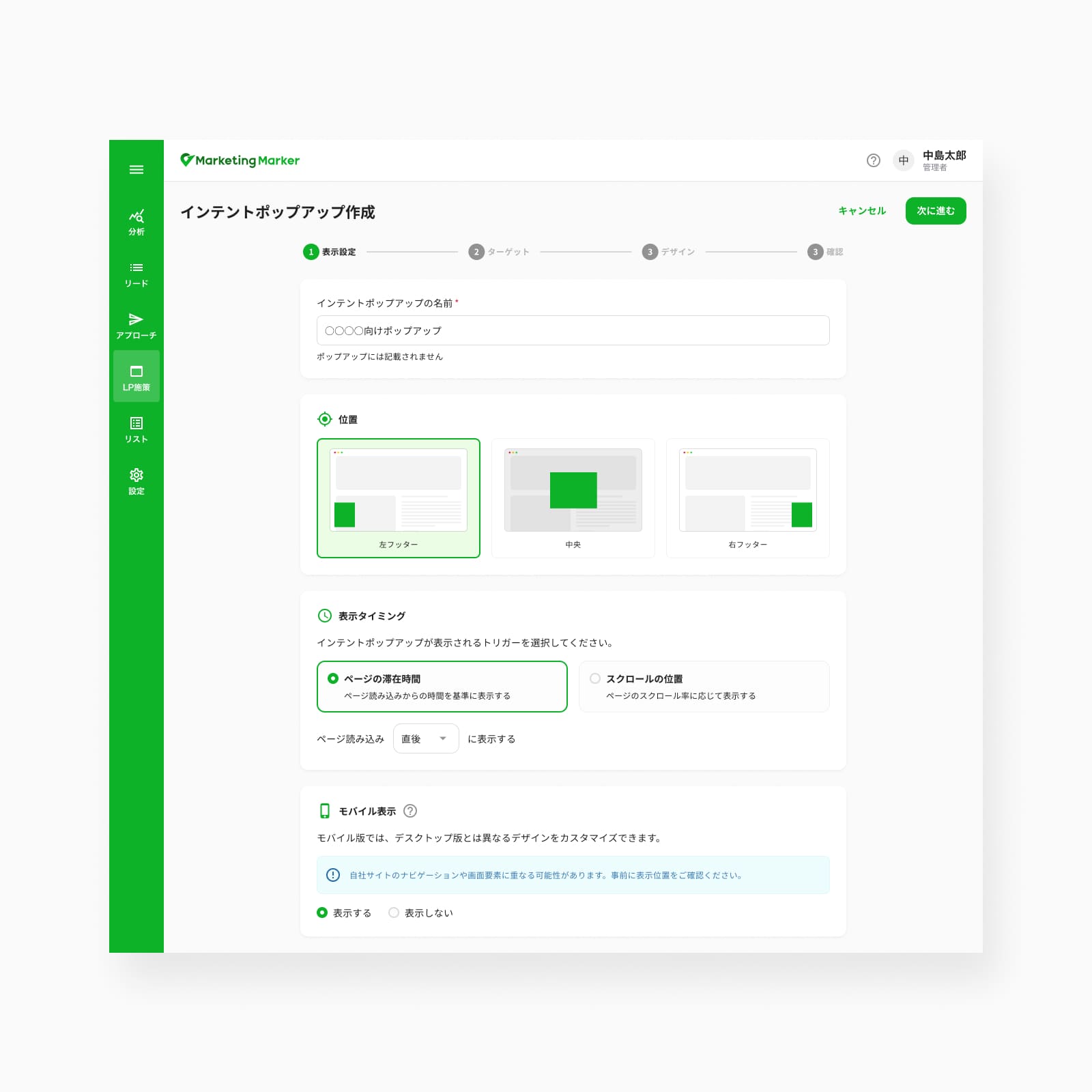
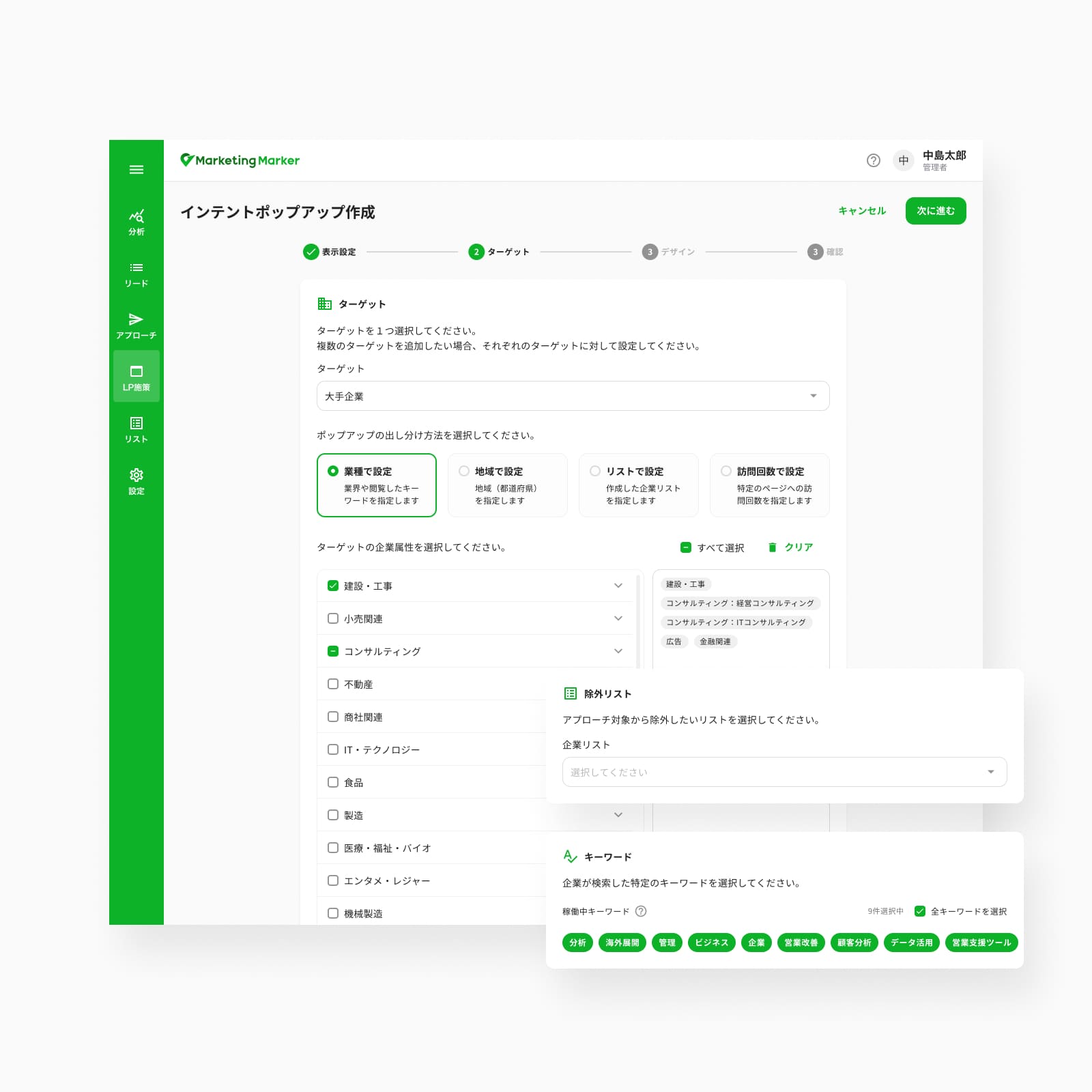
Intent Pop-up is a dynamic banner that appears on selected URLs. Users can define target companies using various settings such as industry, geography, company lists, or the number of visits to specific web pages.
Display conditions can also be configured based on how the pop-up appears, including position and timing.
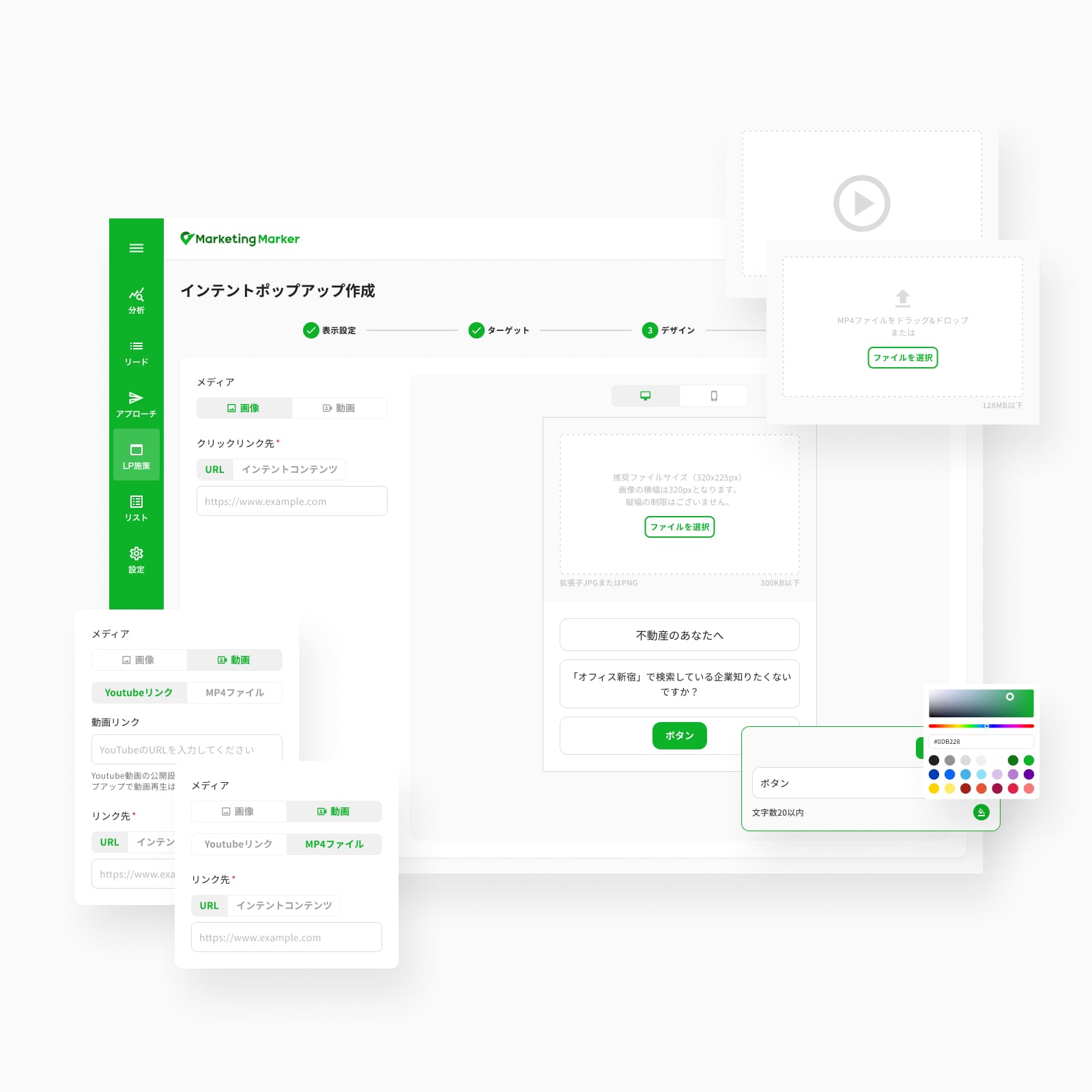
Pop-up content can take multiple formats, such as an image, a YouTube link, or an MP4 video, allowing for more engaging experiences.
Each pop-up is tracked, and a redirection link can be added to measure engagement and drive visitors to a specific destination. The redirection link can lead to a standard URL or to tracked PDF content. Users can then monitor detailed performance metrics, such as time spent, number of views, and clicks on the pop-up.

Before
- Pop-up list page
- Default position : Bottom right
- Target setting by industry
- Design setting : Image and text
- CTA : redirection URL
- Confirmation page
After
- Pop-up list page
- Position : Bottom left, right or middle
- Display trigger: time spent on page or scroll percentage
- Mobile version
- Target setting by industry, geography, company lists, or visited pages
- Company searched keyword setting
- Exclude company list
- Design setting : Image, video and text. Delete or change color and position
- CTA : redirection URL or Intent Content
- Confirmation page
Form
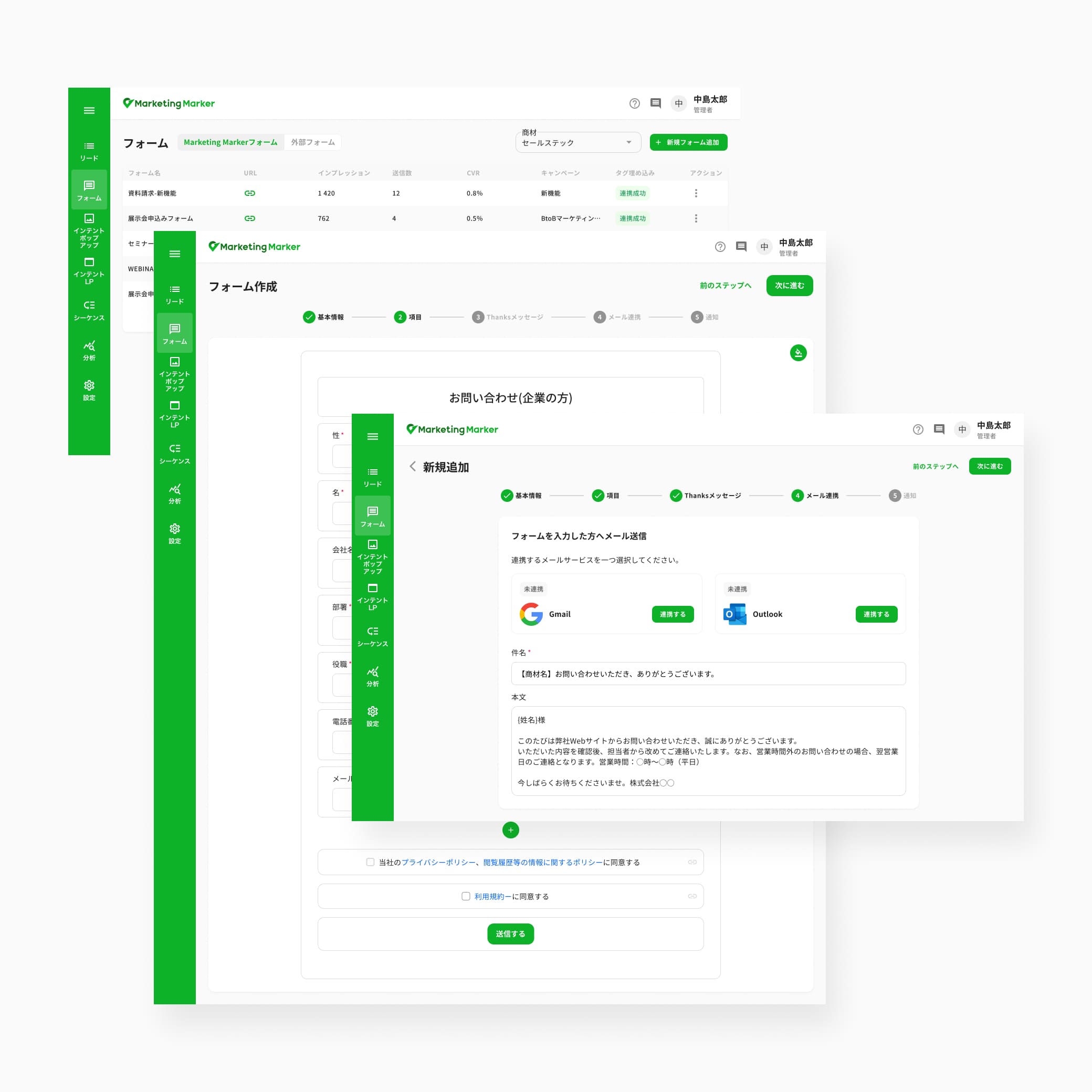
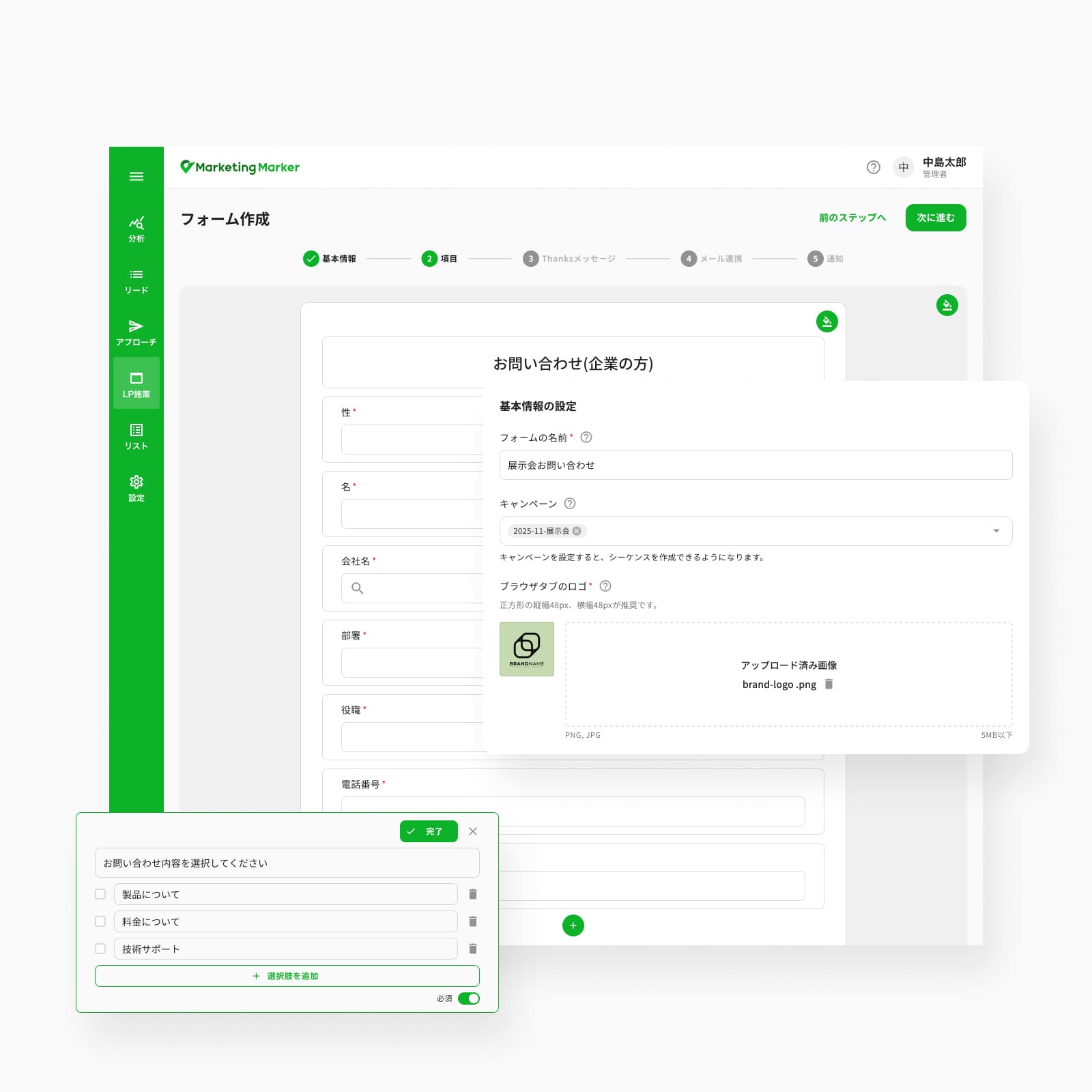
The Form feature enables users to create customizable forms to capture leads directly on their website. Forms can be embedded on specific pages or used as standalone landing elements, depending on the campaign strategy.
Form content and structure are fully customizable, allowing users to adjust fields, layout, and confirmation messages to optimize conversion.
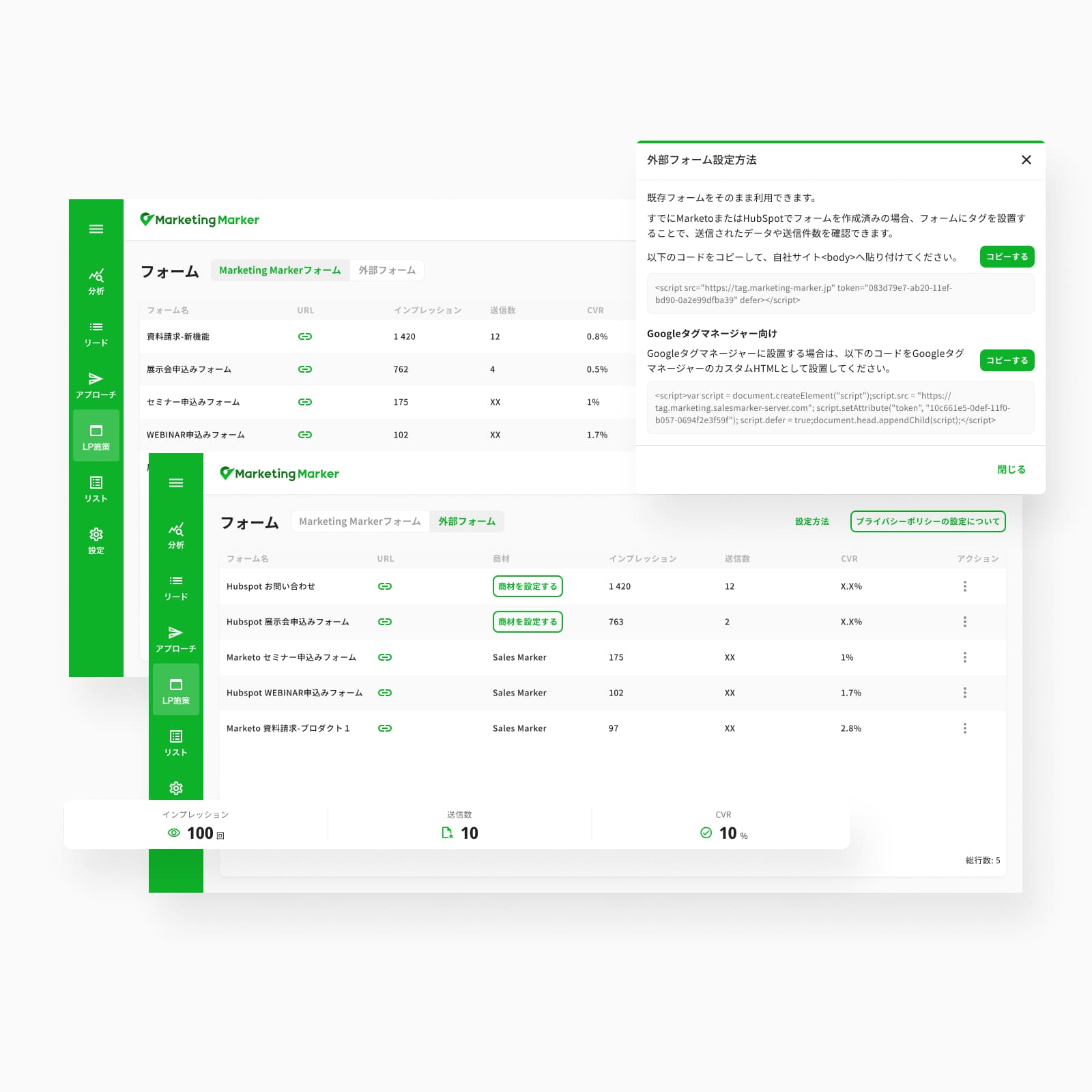
Each form submission is tracked and stored, enabling users to monitor performance through key metrics such as number of submissions, conversion rate, and engagement. Collected data can then be used for follow-ups, lead qualification, or integrated into CRM systems.
Before
- CV acquisition from internal form
- Text and dropdown field setting
- Mail connexion (message for prospects)
- Notification (for user)
After
- Support for external forms
- CV acquisition from internal and external form
- Tag to campaign
- Browser tab icon setting
- Text, dropdown, checkbox field setting
- Background color of the form and page
- Company name autocompletion
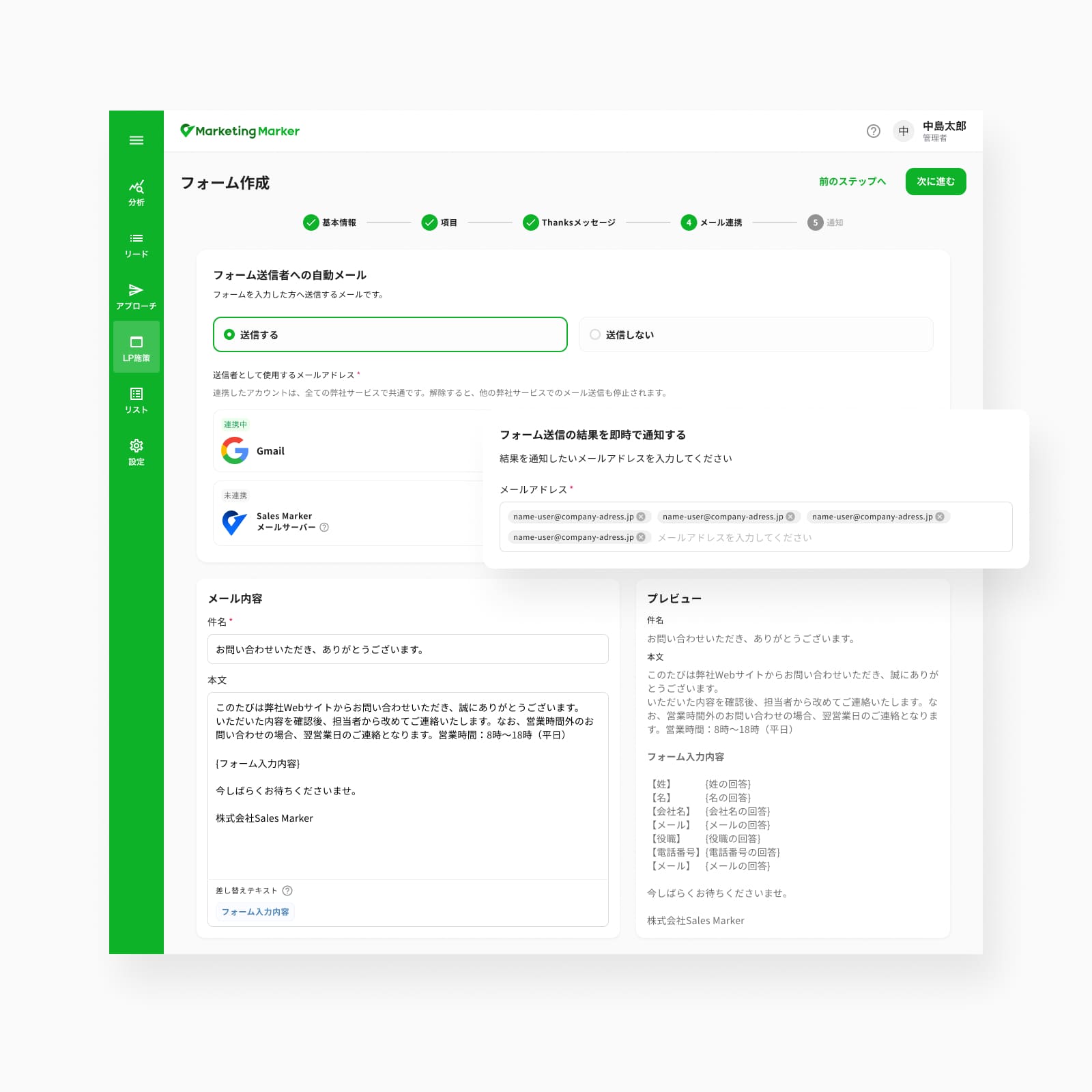
- Mail connexion optional (message for prospects)
- Dynamic tags in CV message
- Notification (for multiple users)
New functionalities
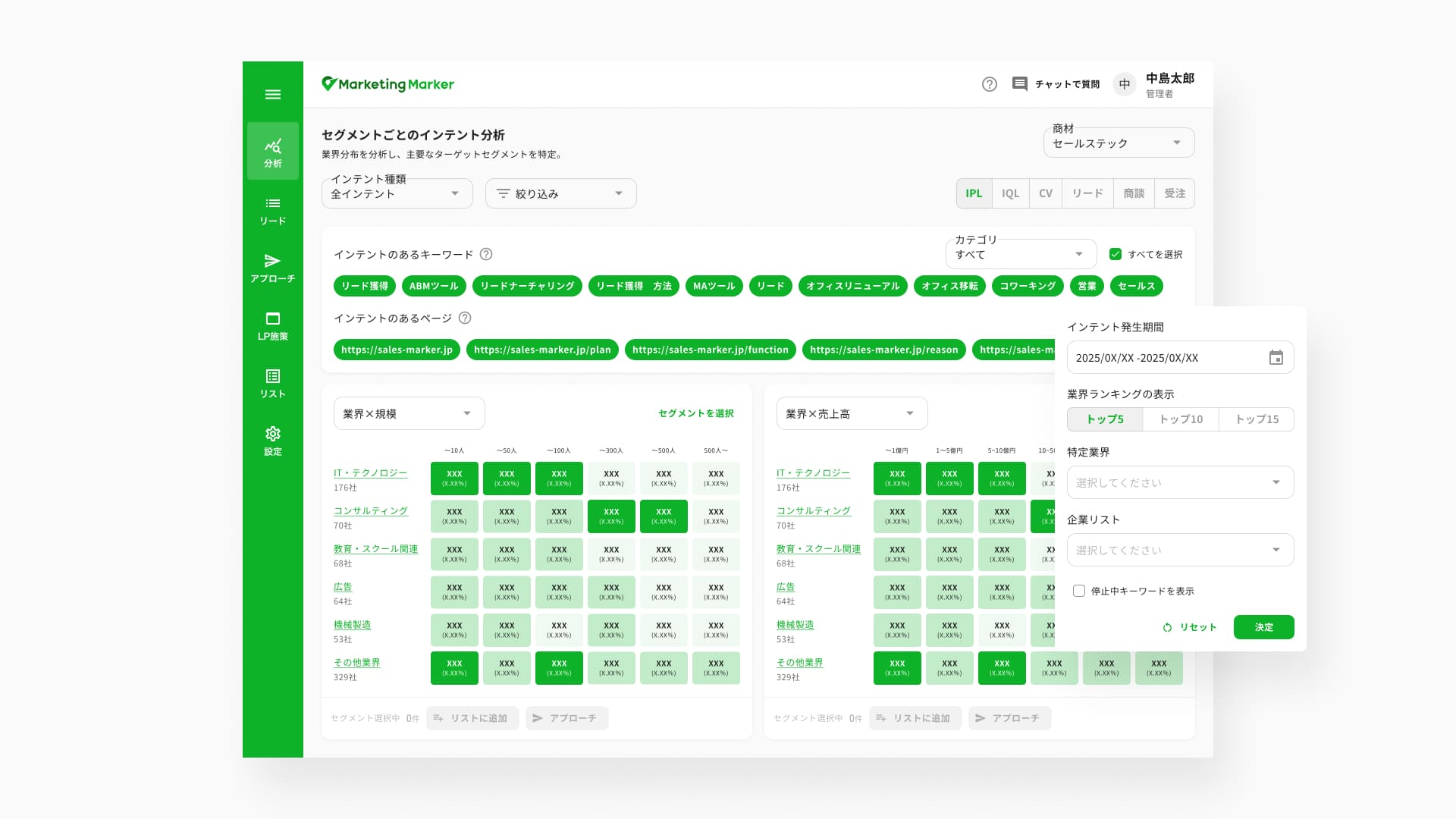
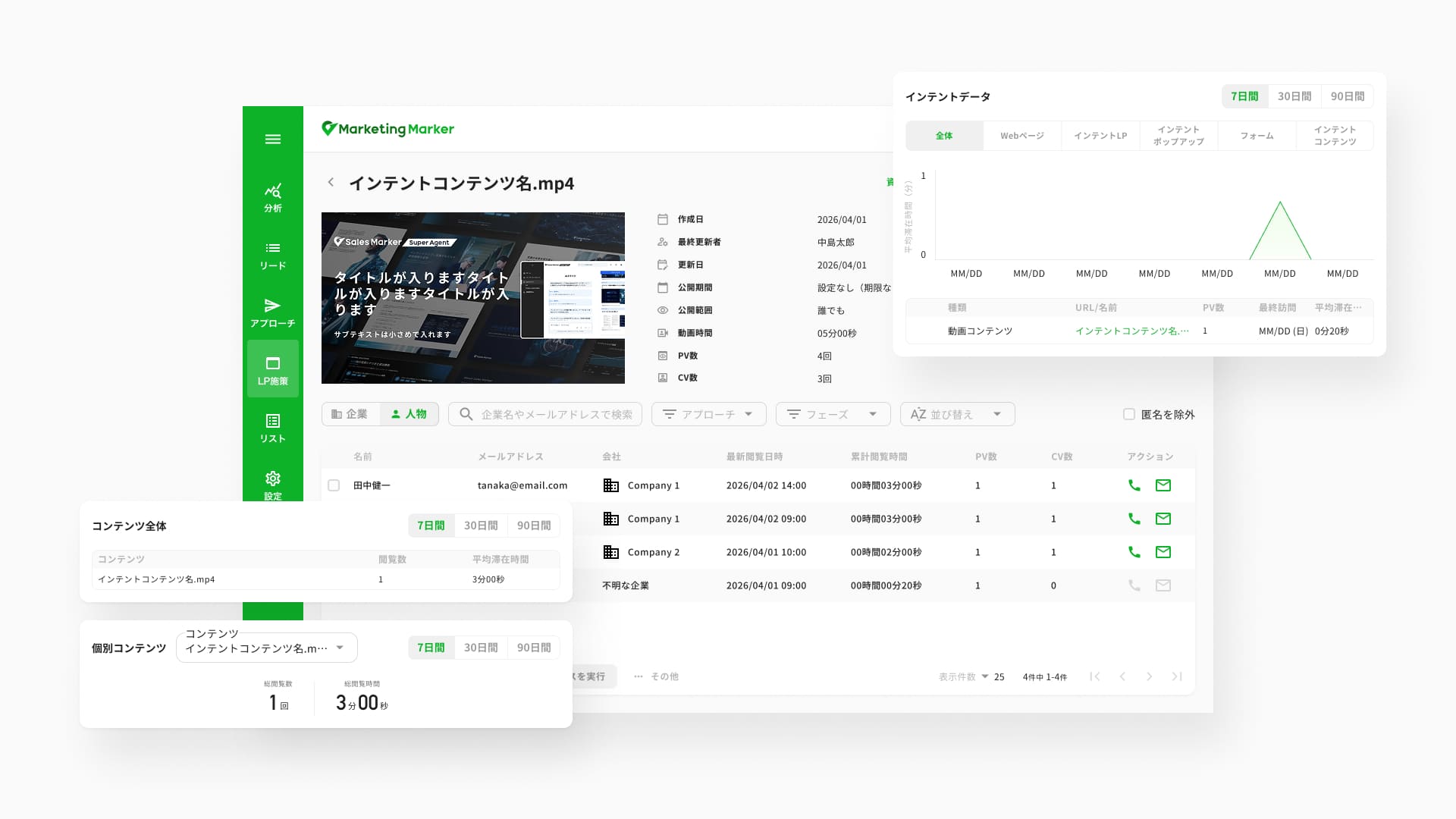
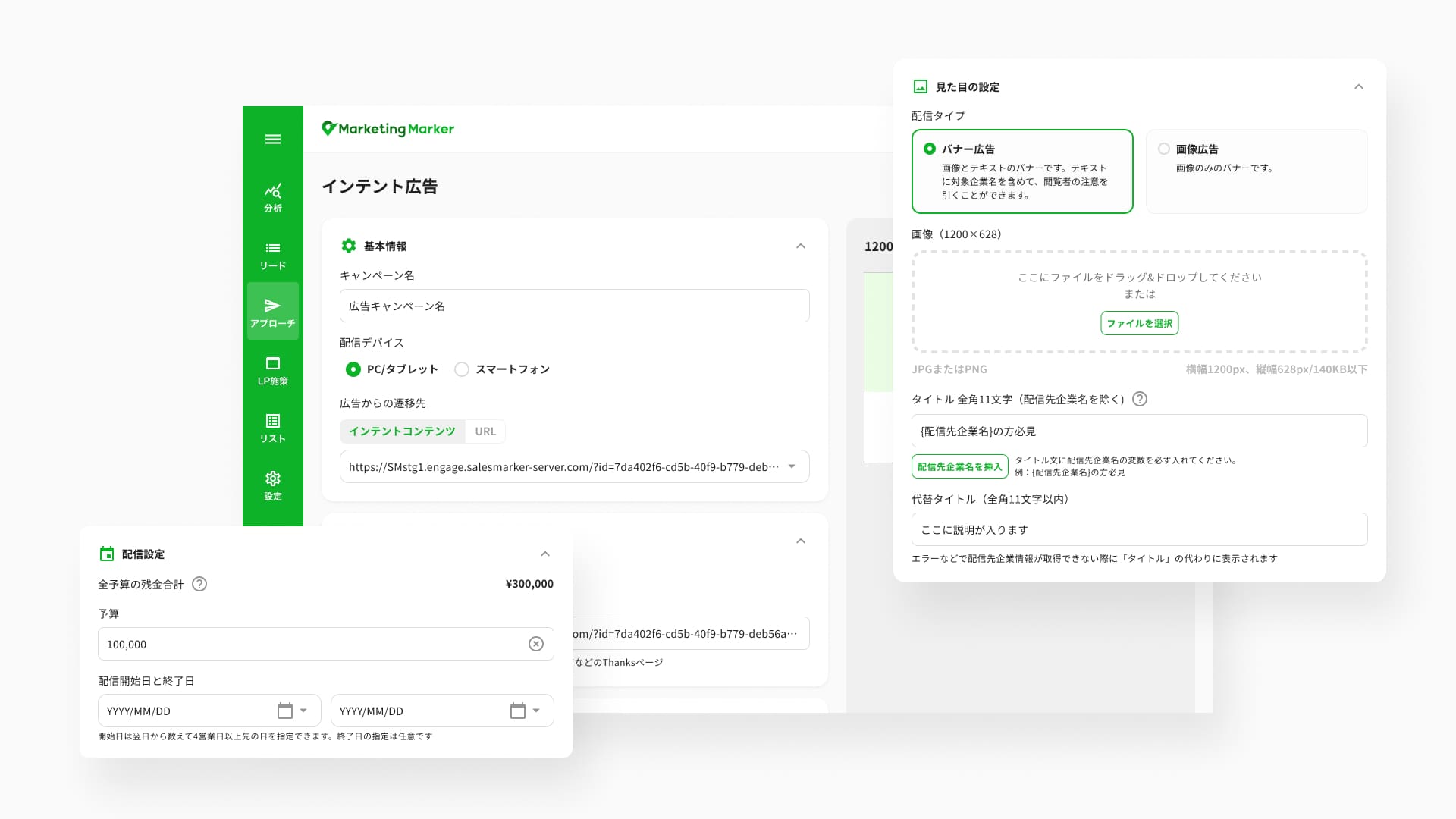
Numerous features were developed throughout the year, including the addition of an intent analysis screen based on industry segments. This allows users to target specific industries based on searched keywords or visited pages.
On-site tools designed to capture prospects or directly engage leads were continuously optimized to improve performance and usability.
The intent identification system is constantly evolving, enabling users to more precisely understand and target the needs of their prospects.
What I learn
I learned how to build a product from a business idea, starting with a Minimum Sellable Product (MSP) developed in a very short timeframe. From there, we contributed to rapidly evolving the product by continuously iterating based on client’s usage.
I closely followed the product’s evolution, incorporating weekly feedback from both the sales and business teams. At the same time, we gathered and analyzed user feedback, adapting the product to better meet their needs.
I started working within a small product team (1 Product Manager, 1 Developer, 1 Designer), which gradually scaled to include an additional Product Manager, QA support, and more developers. As the team grew, we actively contributed to evolving our workflows and processes alongside the product itself.
I also gained valuable insights by directly observing customer feedback, understanding their needs and pain points in real time.Being part of a small team gave me a holistic view of the product, shaped by customer insights, real-time feedback, and close collaboration with sales teams.